
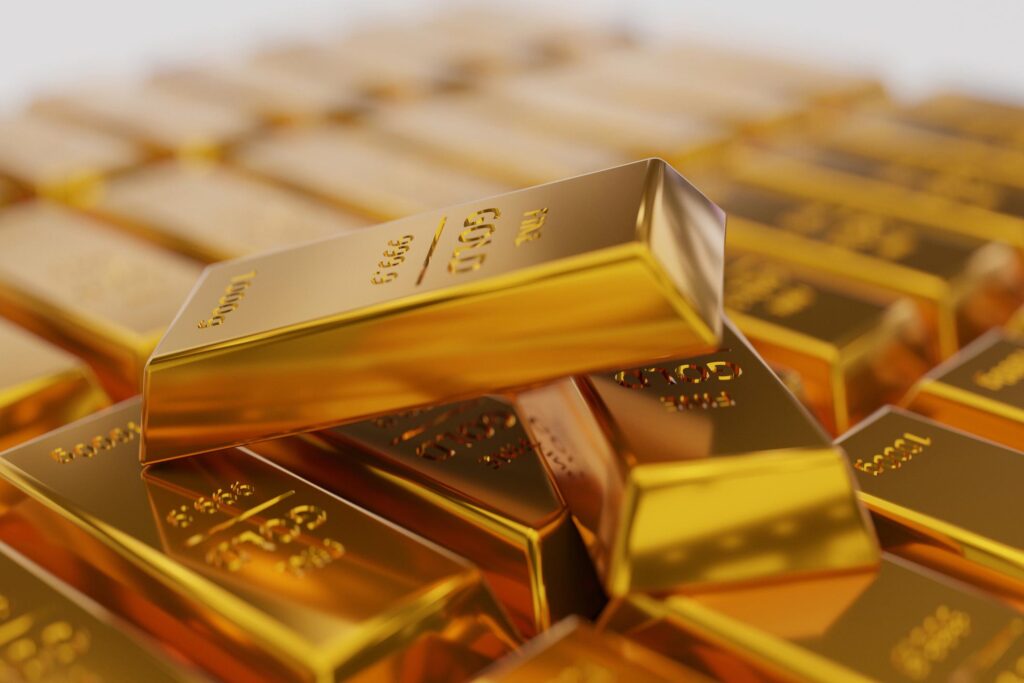
Gold has always held a special place in the global economy, acting not only as a precious metal for jewelry and cultural traditions but also as a critical financial asset. The gold price continues to attract attention from investors, economists, and common consumers alike because it reflects economic stability, inflation fears, geopolitical tensions, and currency movements. In recent years, fluctuations in the gold price have intensified due to global uncertainties, changing interest rates, and evolving investment patterns.
This detailed news report explores the latest trends in gold price movements, factors affecting prices, and expectations for the future. Whether you are an investor, jeweler, policymaker, or simply someone interested in financial news, understanding gold price dynamics can help you make informed decisions.
Gold Price Market Overview – Current Gold Price Trends Worldwide
The global gold price has experienced significant volatility over the past few years. Economic recovery after pandemics, geopolitical conflicts, inflation concerns, and central bank policies have all contributed to fluctuating prices. Traditionally seen as a safe-haven asset, gold attracts investors when stock markets become uncertain.
Current International Situation
Across major financial hubs such as London, New York, Dubai, and Mumbai, gold price trends reflect both global and regional demand. In India, one of the largest consumers of gold, prices often rise during wedding seasons and festivals such as Diwali, Akshaya Tritiya, and regional celebrations.
Demand Patterns
Gold demand generally falls into three main categories:
- Jewelry demand: Particularly strong in Asia and the Middle East.
- Investment demand: Includes ETFs, gold bars, and coins.
- Central bank purchases: Many countries buy gold reserves to strengthen their financial security.
Recent reports indicate central banks worldwide are increasing gold holdings to diversify reserves away from volatile currencies. This trend has supported higher gold prices globally.
Inflation Hedge Role
One of the strongest reasons behind gold price stability is its reputation as an inflation hedge. When inflation rises, currencies lose purchasing power, prompting investors to move toward gold. This pattern has been visible during economic crises throughout history.
Currency Impact
The value of the US dollar strongly influences gold price movements. Typically:
- Strong dollar → lower gold prices
- Weak dollar → higher gold prices
This inverse relationship occurs because gold is priced globally in dollars.
Gold Price Historical Trends and Price Graph Analysis
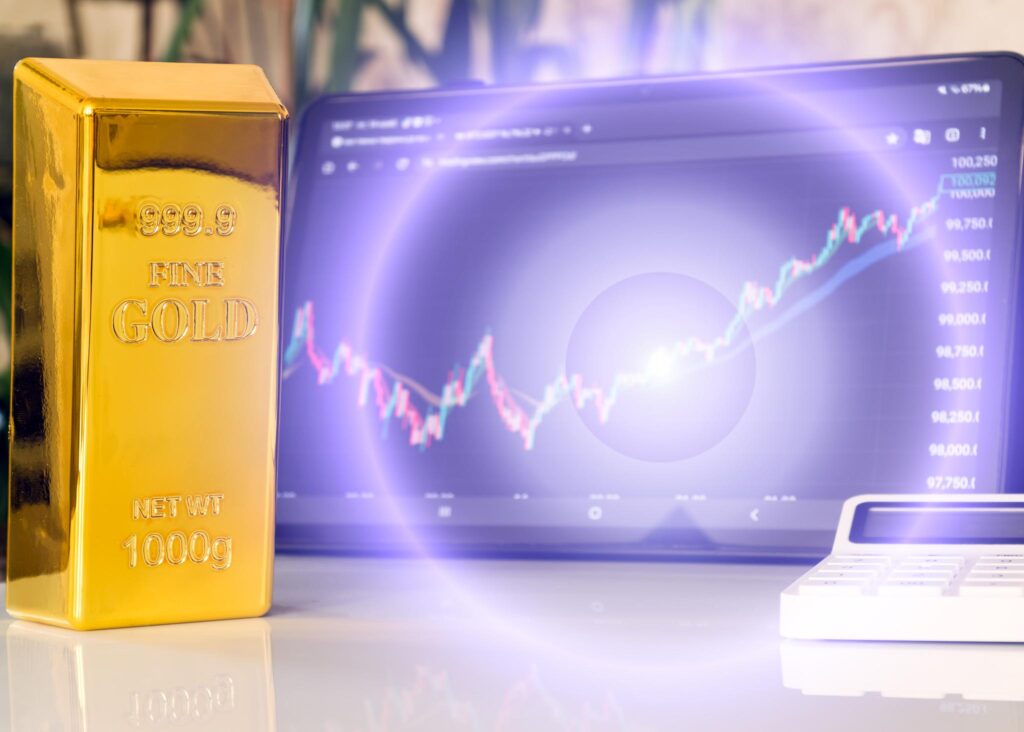
Historical data shows that gold price growth has not been linear but cyclical. Several global events have caused sharp increases or declines.
Long-Term Historical Perspective
- 1970s inflation era: Gold prices surged due to economic instability.
- 2008 financial crisis: Investors shifted heavily to gold.
- Pandemic period: Massive economic uncertainty boosted prices.
These cycles demonstrate gold’s resilience during crises.
Short-Term Fluctuations
Daily and monthly fluctuations often depend on:
- Interest rate changes
- Oil prices
- Stock market performance
- Political developments
For instance, when central banks raise interest rates, gold prices sometimes decline because fixed-income investments become more attractive.
Regional Variations
Gold price differences between countries occur due to:
- Import duties and taxes
- Currency exchange rates
- Local demand supply balance
India, for example, often sees slightly higher prices due to import duties and strong cultural demand.
Technological Influence
Modern trading platforms, algorithmic trading, and instant global communication have accelerated price movements. News spreads quickly, causing rapid buying or selling.