
Registration of Births and Deaths (Amendment) Bill, 2026 Passed in Lok Sabha
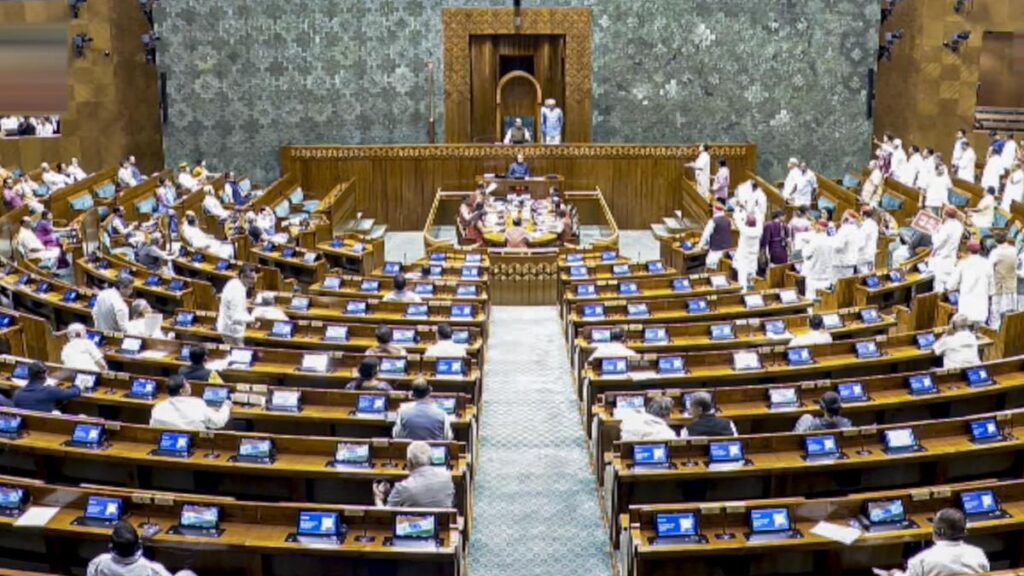
The Registration of Births and Deaths (Amendment) Bill, 2026 was passed by the Lok Sabha on Friday amid continued protests by Opposition members over the alleged police crackdown on students during a recent protest march. Due to repeated disruptions in the House, the Bill was approved without any detailed debate before being passed by a voice vote.
The legislation seeks to amend the existing law governing the registration of births and deaths in India. The government says the amendments are intended to strengthen the registration system and improve the efficiency of maintaining vital records across the country.
Why Was the Registration of Births and Deaths (Amendment) Bill Passed Without Debate?
Parliament proceedings remained disrupted throughout the day as Opposition MPs continued protesting against the alleged police action on students during the July protest march to Parliament. Members raised slogans and demanded a government response, leading to repeated interruptions in the Lok Sabha.
Despite the protests, the government proceeded with its legislative agenda and passed the Registration of Births and Deaths (Amendment) Bill, 2026 without discussion. The Opposition objected to the move, arguing that important legislation should be debated in Parliament before being approved.
The Bill was one of several pieces of legislation taken up during the Monsoon Session despite the continuing political deadlock.
Registration of Births and Deaths (Amendment) Bill 2026 – What the Bill Aims to Do
The Registration of Births and Deaths (Amendment) Bill, 2026 proposes changes to the legal framework governing the official registration of births and deaths in India.
According to the government, the amendments are aimed at:
- Strengthening the civil registration system.
- Improving the accuracy and maintenance of birth and death records.
- Streamlining administrative procedures related to registration.
- Enhancing the efficiency of record management.
The detailed implementation of the amendments will follow the legal and administrative process after the Bill completes the remaining stages required for it to become law.
Political Reactions and Next Steps
The passage of the Bill came against the backdrop of intense political confrontation in Parliament. While the government maintained that legislative business should continue despite disruptions, Opposition parties criticized the decision to clear the Bill without discussion.
Following its approval in the Lok Sabha, the Bill will move through the remaining constitutional process before the proposed amendments come into effect.
The development highlights the continuing political tensions during the Monsoon Session, where several important Bills have been considered amid repeated protests and adjournments.
Conclusion
The Registration of Births and Deaths (Amendment) Bill, 2026 marks another significant legislative development during the ongoing Monsoon Session of Parliament. While the government believes the amendments will improve India’s birth and death registration framework, the Bill’s passage without debate has drawn criticism from the Opposition.
As the legislative process continues, the final impact of the amendments will become clearer once the Bill completes all constitutional formalities and the detailed implementation framework is notified